Choosing the right tile for your home can significantly impact both the aesthetic and functional qualities of your space. Porcelain Stone Tiles and natural Stone Tiles each offer distinct advantages, making them suitable for different design needs. This article will explore the characteristics of both options, delve into their durability and maintenance requirements, and provide insights into making an informed decision for your interior design project. By understanding these aspects, you can select the perfect tile that aligns with your home’s design and lifestyle.
Porcelain Stone Tiles: Characteristics and Advantages
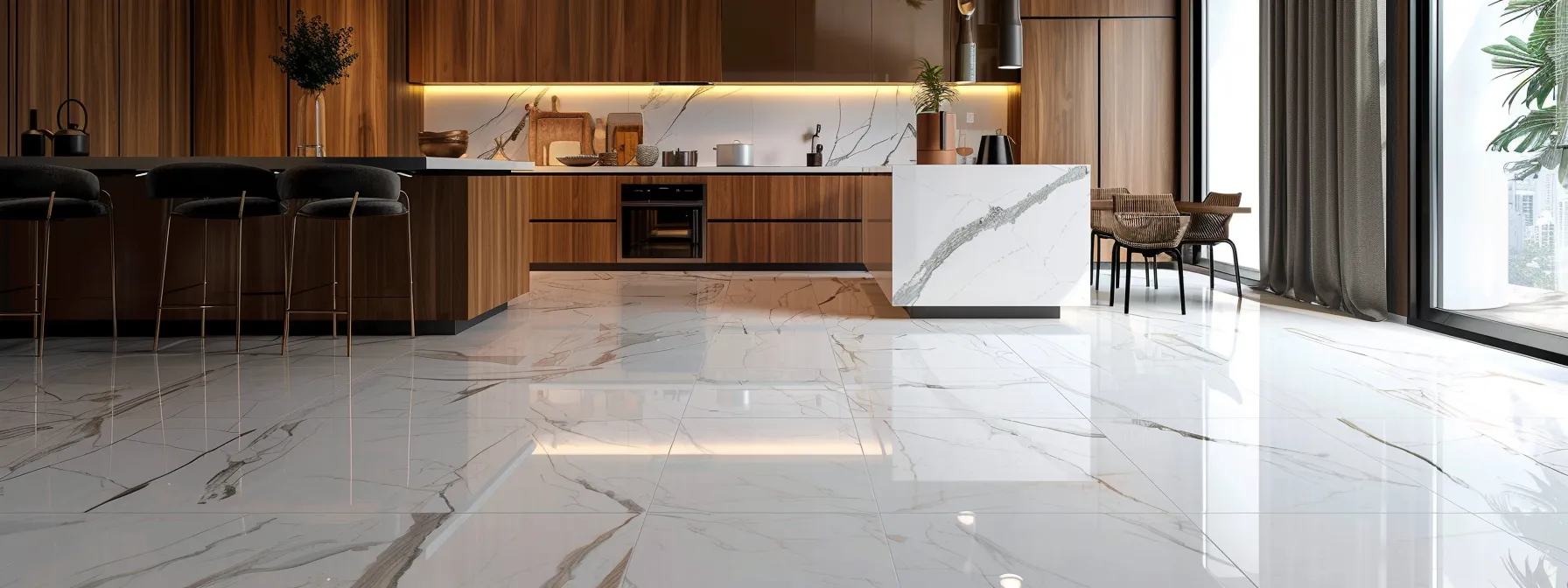
Porcelain Stone Tiles are renowned for their durability and versatility. Made from a denser type of clay than ceramic tiles, they are fired at higher temperatures, resulting in a product that is both strong and water-resistant. This makes porcelain tiles an excellent choice for areas prone to moisture, such as bathrooms and kitchens. Moreover, porcelain tiles are available in a wide range of finishes and styles, allowing for customization through color theory application to match any design aesthetic. By considering Stone Tiles in your renovation, you can further enhance your home’s energy efficiency. Additionally, they are low maintenance, requiring simple cleaning without the need for special sealants.
Porcelain tiles are also an eco-friendly option. Many manufacturers produce tiles that meet LEED certification standards, which means they are made with sustainable practices and materials, contributing positively to environmental conservation efforts in home improvement projects.
Natural Stone Tiles: Unique Qualities and Benefits
Natural Stone Tiles, such as marble, granite, and limestone, offer an unparalleled natural beauty that adds luxury and elegance to any home. Each stone tile is unique, providing a one-of-a-kind pattern that cannot be replicated, making them a sought-after choice for homeowners looking to add a distinctive touch to their spaces. Designers often use natural Stone Tiles in high-impact areas to highlight architectural features or as part of a larger hardscape design.
These tiles are known for their longevity and can withstand high traffic without losing their appeal, provided they are properly maintained. However, maintenance can be more intensive compared to porcelain tiles, as natural stone often requires regular sealing to protect against stains and moisture.
Despite the maintenance needs, natural Stone Tiles can enhance property value due to their high-end appeal. They are often used in historic restorations and luxury homes where an authentic and timeless look is desired. A well-executed design using natural Stone Tiles can provide a significant return on investment, both aesthetically and financially.
Comparing Durability, Maintenance, and Aesthetic Appeal
When comparing porcelain Stone Tiles to natural Stone Tiles, durability is a key factor. Porcelain tiles are incredibly resilient and can withstand heavy use without chipping or cracking. In contrast, while natural Stone Tiles are also durable, they can be more susceptible to scratching and require more attention to keep them in pristine condition.
Maintenance is another point of differentiation. As mentioned, porcelain tiles require minimal upkeep, making them ideal for busy households or commercial applications where time and resources for maintenance are limited. Natural Stone Tiles, however, require periodic sealing and more careful cleaning to preserve their appearance and prevent damage.
Aesthetic appeal is subjective and largely depends on personal preference and design goals. Porcelain tiles offer a broad range of styles and can mimic the appearance of natural stone, wood, or other materials, providing flexibility in design. Natural Stone Tiles, with their unique patterns and textures, provide a more traditional and organic feel, which can be enhanced by creating a mood board to visualize how they will integrate with other design elements in your home.
Making the Right Choice for Your Home Design
Deciding between porcelain and natural Stone Tiles requires careful consideration of your specific needs and design goals. For homeowners prioritizing low maintenance and water resistance, porcelain tiles are an excellent choice. They are particularly suitable for spaces like kitchens and bathrooms where functionality is a priority. Moreover, their compatibility with modern technologies like CAD for precise planning and FF&E (Furniture, Fixtures, and Equipment) coordination makes them a go-to option for contemporary designs.
On the other hand, if your design aims to emphasize natural beauty and timeless elegance, natural Stone Tiles may be the better option. Despite the higher maintenance, the aesthetic value and uniqueness they provide can be well worth the effort, especially in living areas or entryways where they can be prominently showcased.
Ultimately, the decision should align with your overall home design strategy, including space planning and schematic design considerations. For a range of options and professional guidance, consider exploring Stone Tiles that suit your needs.
Conclusion

Choosing between porcelain Stone Tiles and natural Stone Tiles involves weighing durability, maintenance, and aesthetic preferences. Porcelain tiles offer resilience and low upkeep, while natural Stone Tiles provide unique beauty and luxury appeal. By carefully assessing your home’s requirements and design goals, you can select the tile that enhances both the functionality and style of your living space.