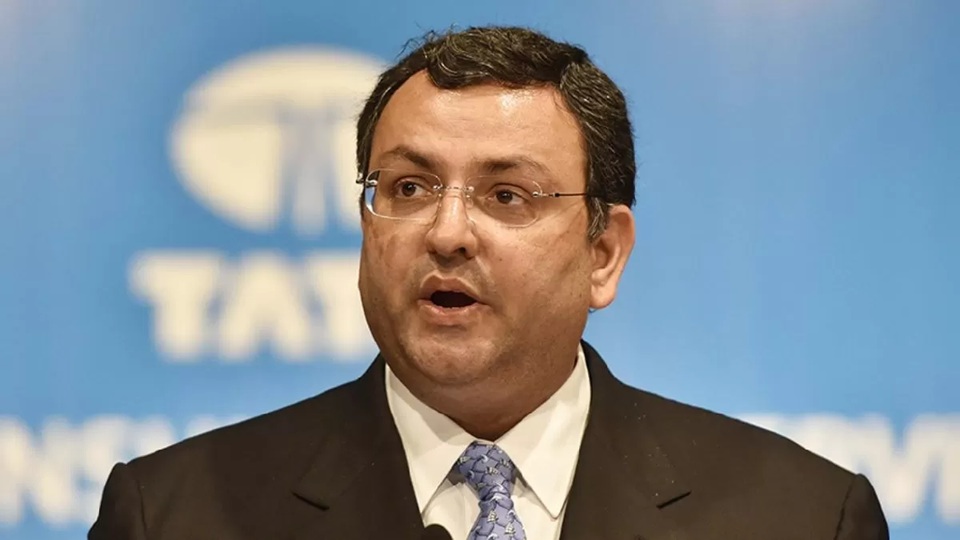
Cyrus Mistry was one of India’s most recognized business leaders, best known as the sixth chairman of Tata Sons and the head of the family-run Shapoorji Pallonji Group. Discussions around Cyrus Mistry net worth have remained a subject of public interest even after his death in September 2022, largely because his estimated fortune — built through decades of ownership in Tata Sons and the Shapoorji Pallonji conglomerate — placed him among the wealthiest individuals in India and the world.
At the time of his passing, various estimates placed Cyrus Mistry net worth in rupees in the range of several lakh crore, translating to tens of billions of US dollars, though exact figures vary significantly across sources because most of his wealth was tied up in unlisted, privately held shares rather than easily tradable public assets. This article offers a detailed, respectful look at his life, career, family, and financial legacy.
A quick and important clarification before we go further: Cyrus Mistry passed away in a road accident on September 4, 2022. Any reference to a “current” net worth, therefore, reflects estimates made at or around the time of his death, or subsequent valuations of the family’s holdings (now managed by his heirs), rather than a live, updating figure.
Table of Contents
Quick Facts Summary
| Field | Details |
|---|---|
| Full Name | Cyrus Pallonji Mistry |
| Nickname | Cyrus Mistry |
| Date of Birth | July 4, 1968 |
| Date of Death | September 4, 2022 |
| Age at Death | 54 years |
| Birthplace | Bombay (now Mumbai), Maharashtra, India |
| Nationality | Irish (with Overseas Citizen of India status) |
| Zodiac Sign | Cancer |
| Religion | Zoroastrianism (Parsi community) |
| Marital Status | Married (to Rohiqa Chagla) |
| Children | Two sons — Firoz Mistry and Zahan Mistry |
| Known For | Chairman of Tata Sons (2012–2016); Managing Director, Shapoorji Pallonji Group |
| Net Worth (at time of death) | Estimated around $10–29 billion (varies by source) |
Personal Information
Public, verified records about Cyrus Mistry focus overwhelmingly on his professional and family life rather than personal physical descriptions, so we’ve kept this section grounded in what is actually documented rather than speculative detail.
| Attribute | Details |
|---|---|
| Full Legal Name | Cyrus Pallonji Mistry |
| Title | Former Chairman, Tata Sons; Managing Director, Shapoorji Pallonji Group |
| Citizenship | Irish national, Overseas Citizen of India |
| Religion/Community | Zoroastrian, Parsi |
| Known Public Persona | Understated, reserved, detail-oriented executive |
| Public Speaking Style | Measured and formal, favoring written communication and board-level discussion over media appearances |
| Lifestyle | Private; rarely engaged with tabloid or celebrity press despite his wealth and public role |
Family & Personal Life Background
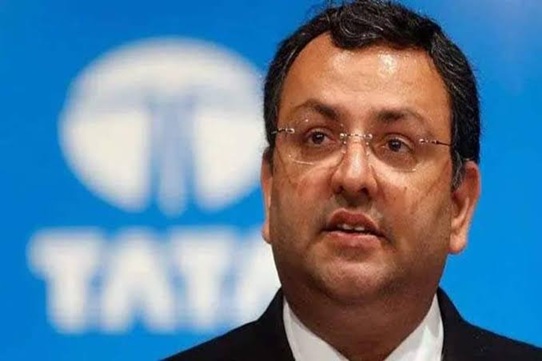
Family Heritage & Ancestry
The Mistry family’s story is deeply intertwined with the history of the Shapoorji Pallonji Group and, by extension, the Tata Group. Understanding Cyrus Mistry net worth requires understanding this multi-generational business inheritance.
| Family Member | Relation | Details |
|---|---|---|
| Pallonji Mistry | Father | Chairman of Shapoorji Pallonji Group; longtime director on the Tata Sons board; passed away June 28, 2022 |
| Patsy Perin Dubash | Mother | Born in Ireland; her nationality gave Cyrus and his siblings eligibility for Irish citizenship |
| Shapoor Mistry | Elder Brother | Heads the real estate arm of the Shapoorji Pallonji Group |
| Rohiqa Chagla | Wife | Daughter of senior lawyer Iqbal Chagla; granddaughter of jurist M.C. Chagla |
| Firoz Mistry | Son | Elder son |
| Zahan Mistry | Son | Younger son |
| Aloo Mistry / Noel Tata (extended family ties) | Family connections | The Mistry family has long-standing marital and business ties with the Tata family |
Personal Life Philosophy
Cyrus Mistry was widely described by colleagues and journalists as a private, methodical individual who preferred substance over spectacle. Unlike many business leaders of comparable wealth, he rarely sought media attention, choosing instead to let his work at Shapoorji Pallonji and later at Tata Sons speak for itself.
Those who worked with him have generally characterized his approach to leadership as consensus-driven but firm, favoring long-term infrastructure and industrial thinking — a natural extension of a family business built on engineering and construction. His public disputes with the Tata Group after his removal as chairman in 2016 also revealed a willingness to pursue formal legal channels rather than public confrontation, reflecting a broader personal philosophy rooted in institutional processes and corporate governance.
Even amid one of India’s most closely watched corporate battles, Mistry’s public conduct remained restrained, and much of what is known about his personal values comes through the lens of his professional decisions rather than personal interviews or memoirs.
Educational Journey
Cyrus Mistry’s education combined a strong Mumbai schooling foundation with elite international training in engineering and management, both of which shaped his long career in construction and infrastructure.
Schools & Early Education
| Level | Institution | Location | Years | Achievements |
|---|---|---|---|---|
| Primary & Secondary | Cathedral and John Connon School | Mumbai, India | 1970s–1980s | Foundational schooling in one of Mumbai’s most prestigious institutions |
University Education
| University | Degree | Field | Notes |
|---|---|---|---|
| Imperial College London | Bachelor’s Degree | Civil Engineering | Built technical grounding relevant to the family’s construction business |
| London Business School | Master’s Degree | Management Studies | Strengthened strategic and corporate management skills before entering Shapoorji Pallonji |
This educational path — engineering followed by management — closely mirrors the trajectory of many second and third-generation leaders of India’s large industrial families, blending technical credibility with boardroom capability.
Career Timeline
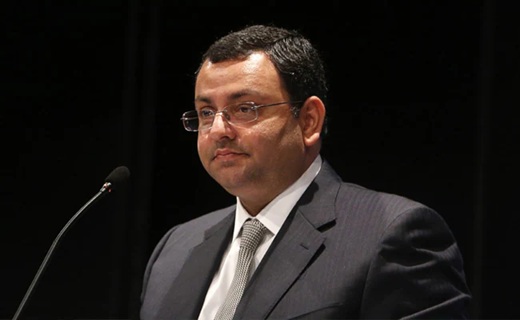
Cyrus Mistry’s career unfolded across two major chapters: two decades building and expanding the family’s Shapoorji Pallonji Group, followed by a shorter but far more publicly scrutinized tenure at the helm of Tata Sons.
Year-Wise Career Progress
| Year | Age | Position | Key Achievement |
|---|---|---|---|
| 1991 | 23 | Director, Shapoorji Pallonji & Co. Ltd | Entered the family business |
| 2000s | 30s | Leadership role in Afcons Infrastructure | Credited with turning around the struggling subsidiary after its acquisition |
| 2006 | 38 | Board Member, Tata Sons | Took his father’s seat on the Tata Sons board |
| 2011 | 43 | Deputy Chairman, Tata Group | Named successor-designate to Ratan Tata |
| 2012 | 44 | Chairman, Tata Sons | Became the sixth chairman and the youngest to hold the post at the time |
| 2016 | 48 | Removed as Chairman | Ousted by the Tata Sons board in October 2016, triggering a major legal dispute |
| 2019 | 51 | Reinstated by NCLAT | The National Company Law Appellate Tribunal briefly ordered his reinstatement |
| 2020 | 51 | Supreme Court Stay | The Supreme Court of India stayed the NCLAT order; Mistry later said he would not seek to return as chairman |
| 2022 | 54 | Passed Away | Died in a road accident on September 4, 2022 |
Shapoorji Pallonji Phase
- Joined the family construction firm as a director in 1991, beginning a two-decade run inside the company
- Played a central role in the turnaround of Afcons Infrastructure following its acquisition by the group
- Helped expand Shapoorji Pallonji’s engineering and construction footprint into the Middle East, Africa, and beyond traditional Indian markets
- Oversaw diversification into power plants, factories, and large-scale infrastructure beyond core construction
Tata Sons Chairmanship Phase
- Became the first person outside the Tata surname to lead the group in a regular, non-interim capacity in decades
- Assumed chairmanship of major group companies including Tata Steel, Tata Motors, Tata Power, Tata Consultancy Services, Indian Hotels, Tata Chemicals, and Tata Global Beverages
- Navigated a global conglomerate spanning steel, automobiles, IT services, hospitality, and consumer goods
- His abrupt removal in October 2016 triggered years of litigation over corporate governance, minority shareholder rights, and boardroom authority — a case that remains one of India’s most studied corporate governance disputes
Major Achievements & Awards
Cyrus Mistry’s professional recognition came less through formal industry awards and more through the scale and significance of the roles he held — leading two of India’s largest business institutions in succession.
| Year | Recognition | Context | Significance |
|---|---|---|---|
| 2012 | Appointment as Tata Sons Chairman | Selected by the Tata Sons selection panel | Marked as one of the most significant successions in Indian corporate history |
| 2013 | Formal assumption of Chairmanship | Took charge across all major Tata Group companies | Solidified leadership over a conglomerate with global operations |
| 2019 | NCLAT Reinstatement Order | National Company Law Appellate Tribunal | Widely covered as a landmark corporate governance ruling, even though it was later stayed |
Net Worth Without Charity
Discussing Cyrus Mistry net worth without charity is difficult to quantify precisely, since most of his wealth was held through his ownership stake in Tata Sons and the privately held Shapoorji Pallonji Group rather than liquid cash reserves earmarked separately for philanthropy. Unlike some billionaires who publicly commit a fixed percentage of wealth to charitable foundations, Mistry’s family wealth was largely structured around long-term industrial holdings.
The Shapoorji Pallonji Group and associated family trusts have historically supported various philanthropic and community initiatives tied to the Parsi community and broader social causes, but there is no widely published, itemized breakdown separating his personal net worth from family or corporate charitable commitments. As such, most published estimates of his net worth already reflect his holdings broadly, without a distinctly separate “post-charity” figure.
Investment Philosophy & Financial Principles
- Favored long-term ownership in core infrastructure and industrial assets rather than short-term speculative investment
- Maintained the family’s concentrated stake in Tata Sons (18.4%) as a strategic, multi-generational holding rather than a tradable position
- Emphasized diversification across construction, real estate, engineering, and industrial sectors through Shapoorji Pallonji
- Prioritized institutional and board-level governance processes, reflected in his reliance on legal and regulatory channels during the Tata Sons dispute
- Approached expansion internationally (Middle East, Africa) as a hedge against domestic market cycles
Administrative Positions & Organizational Leadership
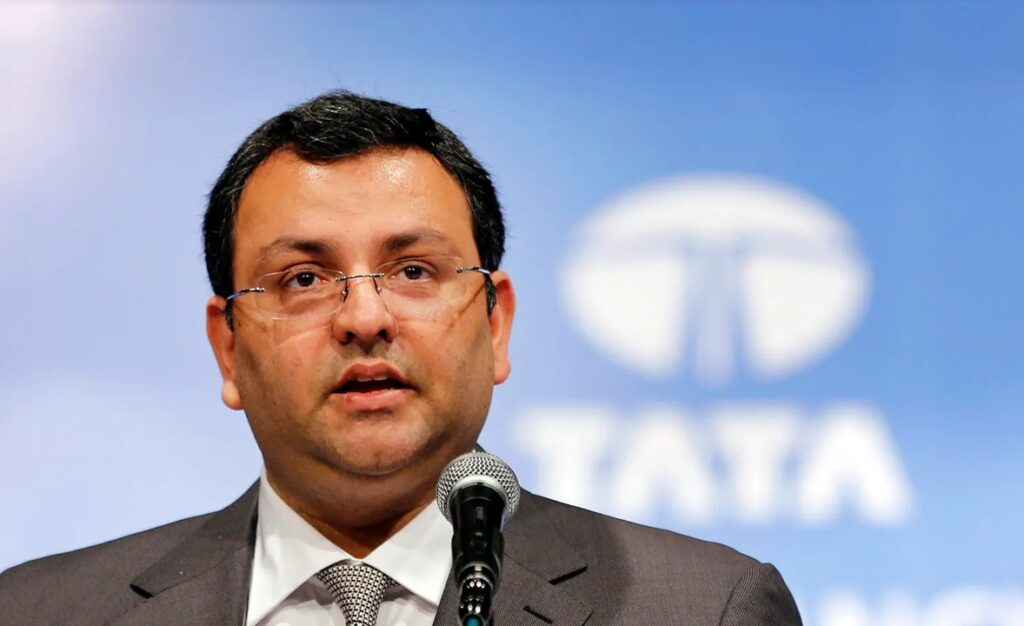
Chronological Positions
| Period | Organization | Role |
|---|---|---|
| 1991–2012 | Shapoorji Pallonji & Co. Ltd | Director, later Managing Director |
| 1990–2009 | Tata Elxsi Limited | Board Director |
| Until 2006 | Tata Power Co. Ltd | Board Director |
| 2006–2012 | Tata Sons | Board Member |
| 2011–2012 | Tata Group | Deputy Chairman |
| 2012–2016 | Tata Sons and Tata Group Companies | Chairman |
| 2019 (briefly) | Tata Sons | Reinstated Chairman (per NCLAT order, later stayed) |
Career Philosophy
Rather than attribute invented quotations to Mistry, it’s more accurate to summarize the operating principles reflected consistently in his public actions and reported management style:
- Institutional continuity — valuing long-term stewardship of family and group assets over short-term wins
- Technical grounding — leaning on his engineering background to engage deeply with infrastructure and operational detail
- Formal governance — preferring board processes and legal frameworks, evident in how he handled his removal dispute
- Global outlook — pushing Shapoorji Pallonji’s expansion beyond India well before it became common practice among peers
- Understated leadership — avoiding the celebrity-executive persona common among some contemporaries, keeping a low public profile
Mentorship Style
| Aspect | Observed Approach |
|---|---|
| Communication | Formal, written, and structured rather than informal or media-driven |
| Decision-Making | Consensus-oriented within the boardroom, but firm once decisions were made |
| Successor Grooming | Limited public information; family business roles were passed within close family and trusted senior management |
| Public Engagement | Minimal; rarely gave personal interviews compared to peers of similar stature |
Recent Developments
Because Cyrus Mistry passed away in 2022, there is no current, active professional role to report. What has continued to develop since then relates to his family’s ongoing management of his estate and business interests.
Current Status
| Position | Organization | Status | Focus Area |
|---|---|---|---|
| Chairman, Tata Sons | Tata Group | Deceased (role held 2012–2016) | N/A |
| Managing Director | Shapoorji Pallonji Group | Deceased (role held until 2022) | Family holdings now managed by surviving family members and successors |
| Shareholding, Tata Sons | Cyrus Investments Pvt. Ltd | Passed to family/estate | Subject of ongoing family wealth management and any related corporate matters |
Detailed Biography
Early Life
Cyrus Pallonji Mistry was born on July 4, 1968, in Bombay (now Mumbai), into a prominent Parsi Zoroastrian family. He was the younger son of Pallonji Mistry, the influential chairman of the Shapoorji Pallonji Group, and Patsy Perin Dubash, who was born in Ireland — a heritage that would later give Cyrus his Irish citizenship.
Education
He attended the well-regarded Cathedral and John Connon School in Mumbai before moving to the United Kingdom for higher studies, earning a civil engineering degree from Imperial College London and later a management degree from the London Business School — a combination that positioned him well for a career spanning both technical construction work and high-level corporate strategy.
Career Milestones
Mistry entered Shapoorji Pallonji & Co. as a director in 1991 and spent roughly two decades helping the firm expand from a domestic construction company into an internationally active engineering conglomerate. His most notable milestone came in 2012, when he was named the sixth chairman of Tata Sons, succeeding the long-serving Ratan Tata — a transition widely covered as historic given that Mistry was only the second chairman not to carry the Tata surname.
Landmark Projects
During his time leading Shapoorji Pallonji, the group was involved in large-scale infrastructure work spanning construction, power, and engineering projects across India and abroad, including expanded operations in the Middle East and Africa. His tenure at Tata Sons, though shorter, involved oversight of some of India’s largest industrial and consumer businesses simultaneously — from steel and automotive manufacturing to information technology and hospitality.
Recent Developments
The final years of Cyrus Mistry’s life were dominated by the prolonged legal battle with Tata Sons following his 2016 removal, a case that moved through India’s National Company Law Tribunal, the National Company Law Appellate Tribunal, and ultimately the Supreme Court of India. He passed away on September 4, 2022, in a road accident on the Ahmedabad–Mumbai highway, just months after the death of his father, Pallonji Mistry, in June of the same year.
Lessons & Inspiration
Cyrus Mistry’s career illustrates the complexities faced by leaders who inherit both wealth and responsibility within multi-generational family businesses, and who then take on stewardship of even larger public institutions. His story is often cited in Indian business circles as a case study in corporate governance, boardroom dynamics, and the tension between founding-family influence and professional management structures within large conglomerates.
Conclusion
Cyrus Mistry’s financial legacy — reflected in the many public estimates of Cyrus Mistry net worth in rupees and dollars alike — was built on decades of family stewardship over two of India’s most significant business institutions: the Shapoorji Pallonji Group and Tata Sons. Yet reducing his story to a net worth figure misses much of what defined him:
a quietly determined engineer-turned-executive who navigated one of the most public corporate disputes in Indian history with formal, institutional resolve rather than public confrontation. His legacy today lives on through his family, the continued operations of Shapoorji Pallonji, and the governance precedents his case helped shape in Indian corporate law.
Frequently Asked Questions
1. What was Cyrus Mistry’s net worth in rupees at the time of his death?
Estimates vary widely across sources, ranging from roughly $10 billion to as high as $29 billion according to the Bloomberg Billionaires Index near the time of his passing, which converts to a very large sum in Indian rupees, though exact rupee-denominated figures differ depending on the valuation method and exchange rate used.
2. What is Cyrus Mistry’s net worth without charity?
There is no clearly published, separate figure distinguishing his personal wealth from family philanthropic contributions, as most of his fortune was held through shares in Tata Sons and Shapoorji Pallonji rather than a distinct personal charitable fund.
3. Was Cyrus Mistry married?
Yes, he was married to Rohiqa Chagla, daughter of lawyer Iqbal Chagla.
4. What was Cyrus Mistry’s last major position?
He served as chairman of Tata Sons from 2012 to 2016 and remained Managing Director of the Shapoorji Pallonji Group until his death in 2022.
5. What were Cyrus Mistry’s major achievements?
He became the youngest and sixth chairman of Tata Sons, led major Tata Group companies simultaneously, and helped expand Shapoorji Pallonji’s operations internationally over two decades.
6. How long did Cyrus Mistry lead Tata Sons?
He was chairman from December 2012 until his removal by the board in October 2016 — roughly four years.
7. What was Cyrus Mistry’s educational background?
He studied civil engineering at Imperial College London and later earned a management degree from the London Business School, following earlier schooling at Cathedral and John Connon School in Mumbai.
8. What religion did Cyrus Mistry follow?
He was a Zoroastrian, belonging to Mumbai’s Parsi community.
9. What was Cyrus Mistry’s philosophy on wealth and leadership?
Publicly, his approach favored long-term industrial stewardship, formal governance processes, and a low-profile leadership style rather than public displays of wealth or celebrity-style business persona.
10. Did Cyrus Mistry make charitable contributions?
The Shapoorji Pallonji Group and associated family trusts have supported various philanthropic causes over the years, though a detailed, itemized public record of Cyrus Mistry’s personal charitable giving separate from family/group activity is not widely available.
11. How did Cyrus Mistry pass away?
He died on September 4, 2022, in a road accident on the Ahmedabad–Mumbai highway, when the car he was travelling in collided with a road divider near Palghar, Maharashtra.
Disclaimer: This article is compiled from publicly available sources, including news reports, encyclopedic references, and financial estimates, for informational purposes only. Net worth figures for private individuals — especially those whose wealth is held in unlisted family businesses — vary significantly between sources and are estimates, not verified audited figures. This content is not financial, legal, or investment advice, and readers seeking precise or updated figures should consult official financial disclosures, court records, or licensed financial professionals.
Also read Namita Thapar Net Worth 2026: Income, Family, Career & Biography