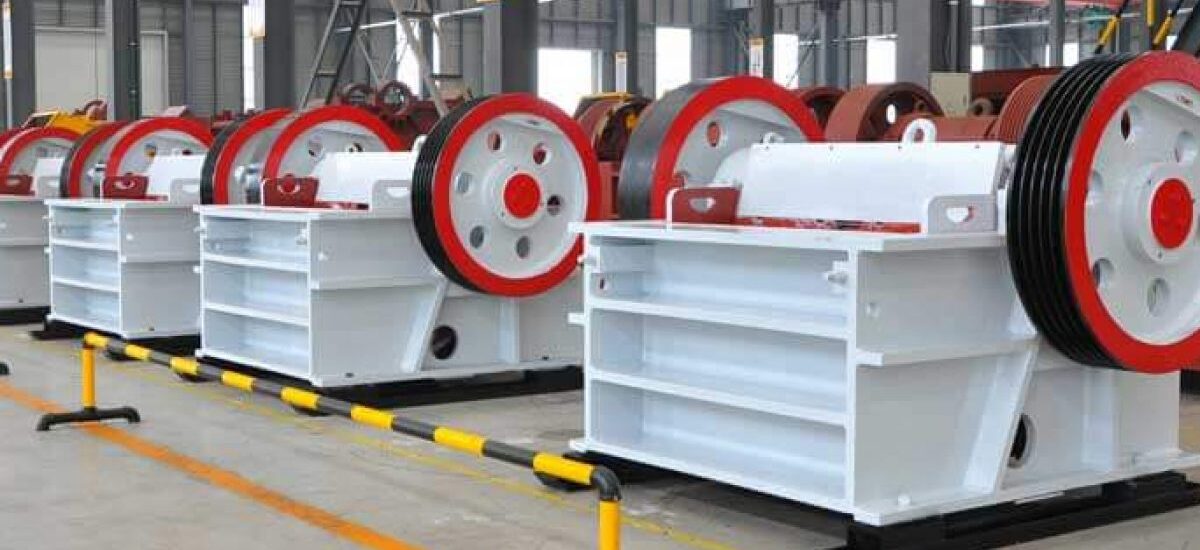
The jaw crusher is a core piece of equipment in construction, mining, and production of aggregates. The versatility in the jaw crushers functionality and the ability to crush complex materials make it a necessary piece of equipment across various industries. Advanced crushing equipment with high performance, efficiency and durability are custom made by companies like www.uniquemacglobal.com. This guide covers the principles of operation, key applications and best practices in equipment maintenance.
The Use of Jaw Crusher in The Market
Description
A Jaw crusher is the crusher machine that does the primary crushing. These machines crush and reduce large size ore and rocks by compressing the materials. The crushers do the compression between two flat iron plates that make up the movable and fixed jaw. The two jaw plates crush large particles by compressing and repeatedly moving the plates. The materials are resized in the move until ore and rock particles are reduced to a size that can be processed and the intermediate products can be fed into other processes or machines.
Important Parts
– Fixed jaw plate – this stationary part of the machine carries out the crushing operations.
– Movable jaw plate – breaks the material down.
– Pitman mechanism – causes the jaw to move.
– Flywheel – ensures smooth and continuous movement.
– Toggle plates – provide movement and safety.
– Discharge opening – makes the material the required size.
How Jaw Crusher Works
The Process of Crushing
1. Material Feeding
Big rocks and ores are dumped into the top of the machine.
2. Compression Action
The jaw that moves pushes the material against the jaw that is fixed and is applying high pressure.
3. Size Reduction
The gap becomes smaller and smaller and the material is reduced to smaller and smaller pieces.
4. Discharge
The finished material is let out of the bottom of the jaw. The size of the outlet can be set to get the size you want.
Designs of Jaw Crushers
– Single Toggle Jaw Crusher
– Lighter Design
– More Efficient movement
– Best fit for primary crushing
– Double Toggle Jaw Crusher
– More Heavy duty structure
– Better for crushing very hard materials
– Gives better and more uniform output.
Why Use Jaw Crushers
1. High Crushing Capacity
If you need to quickly deal with a large volume of tough material, jaw crushers are a great choice. That is why they are the most popular choice for high output operations.
2. Durability and Strength
Thanks to the industrial-grade materials, the jaw crusher and the entire machine, even under extreme conditions, will maintain their operational capacity.
3. Easy Maintenance
Thanks to the jaw crusher simple structure and accessible components, downtime during servicing is kept to a minimum.
4. Versatile Applications
Jaw crushers can process a range of materials, such as:
- Granite
- Basalt
- Limestone
- Iron ore
- Construction debris
5. Cost-Effective Operation
Jaw crushers in many industries are used as a result of their energy efficient systems and low operational efficiency economically.
Industrial Applications of Jaw Crushers
1. Mining and Mineral Processing
Jaw crushers are used in primary crushing in mining, and prepare the ore for further processing. Efficiently crushing hard ores is of great support to other operations of gold, copper, iron and mineral extraction.
2. Construction and Infrastructure
They are essential for road construction as they break down concrete, asphalt and demolition waste, which is also important for recycling.
3. Quarrying and Aggregates
Jaw crushers are used for the production of gravel, stones and other materials. They are also used for the construction of foundations and asphalt mixes
4. Chemical and Metallurgical Industries
Value is added to many industrial processes through jaw crushers as they provide the size and consistency required for the reduced raw materials.
The Perfect Jaw Crushers for Your Industry
The Most Important Selection Factors
When choosing a jaw especially through suppliers like www.uniquemacglobal.com Operators need to keep in mind the following:
Material Hardness
Decides the strength of the crusher and how resistant they are to wear.
Required Output Size
Decides the gap setting and which model of a crusher to use.
Capacity Needs
Should correspond with the production goals of the business.
Operational Environment
Dust, humidity, and temperature can affect a lot of designs.
Power Requirements
Need to be sure they are compatible with the energy options on site.
Some Popular Features Include
– Jaw plates made of high-grade manganese
– Discharge settings are adjustable
– Strong design of the frame and the bearing
– Efficient lubrication mechanisms
– Overload protection systems
Maintenance Practices to Extend Their Performance
Daily Maintenance
– Check jaw plates for wear
– Check on the lubrication
– Check that the nuts and bolts are tightened
– Remove materials that can become trapped and cause a blockage.
Monthly and Weekly Maintenance
– Check to see if the internal bearings are moving smoothly.
– Check the toggle plates for cracks
– Make sure to inspect the belts and adjust the tension if it’s too loose
– Dust and sweep the outside of the machine to keep it clean.
Annual Maintenance
– Make sure to replace any plates that are jaw plates that are worn out.
– Overhaul the pitman and the motor
– Make sure to lubricate the machine in spots that are really critical.
When maintenance is done regularly, it can help prevent any accidents when a person is using the machine and it can help the machine last longer. It also increases the reliability of the machine.
Operating a Jaw Crusher Safely
Operational Safety
– Always put on your safety equipment.
– Keep all appendages and equipment out of the safety interlocked zones.
– Avoid feeding the machine beyond its rated capacity.
– Follow your company’s lockout/tagout policy before beginning maintenance.
Common Safety Problems
– Tramp material in each the crushing/sizing area can cause a kickback from the material being broken.
– Missing or unsecured drive belts and/or flywheels.
– Crusher is inadequately bolted to the supporting structure, or the support structure is not stable.
Potential safety hazards are minimized with the proper operation of the equipment.
Why Do These Sectors Use Modern Jaw Crushers
Productivity and Efficiency
The latest models are more automated, have better real-time monitoring, and have improved wear surface technology. Unique Mac Global is a leader in supplying jaw crushers of the highest quality and highest productivity in the heavy-duty class.
Improved Efficiency
– Dust control from the crusher.
– Reduced operational noise.
– Motor systems provide significant electrical energy savings.
System Compatibility
Jaw crushers have the ability to integrate with complete processing systems, including conveyors, screeners, and material handling systems.
Conclusion
A jaw crusher is one of the most efficient and effective crushers in breaking the most difficult materials. The jaw crusher is the most versatile and durable piece of equipment in the industry, in sectors such as construction, aggregate production, and mining. Custom-designed jaw crushers, backed with quality maintenance, provide the most extensive cost savings and the most efficient and highest productivity in the sector.
To get reliable and dependable machinery designed to handle heavy-duty work, clients look for advanced and high-quality jaw crushers from trusted providers. Clients often look for industrial equipment providers like www.uniquemacglobal.com.