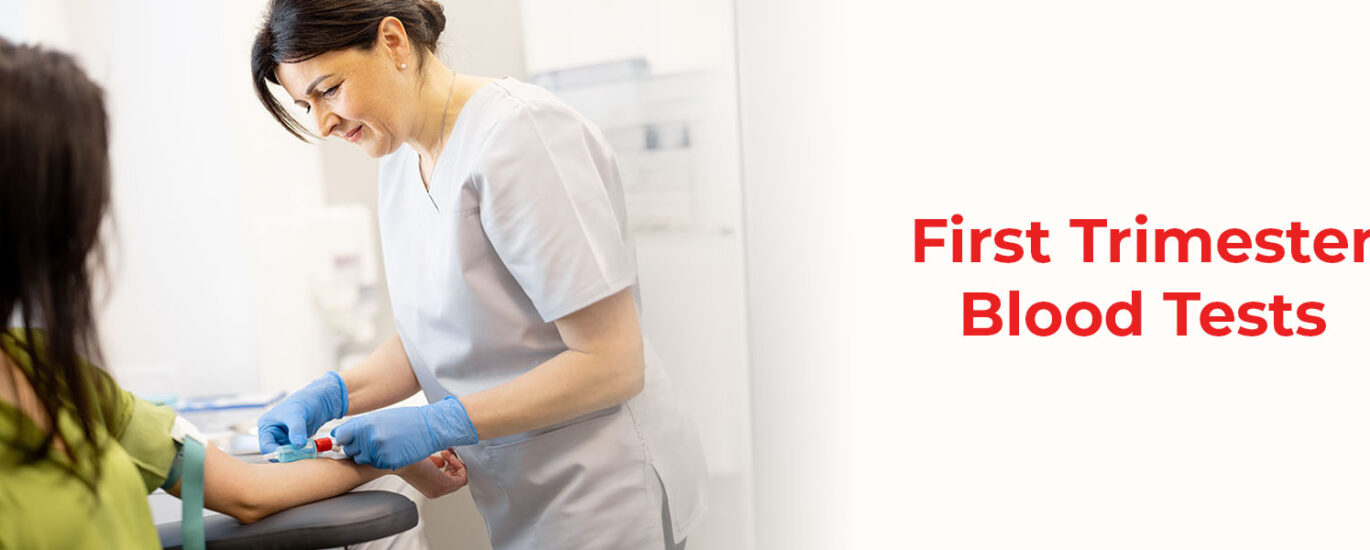
Congratulations! You are pregnant! While this phase of your life is beautiful, it brings along a whirlwind of emotions. They range from excitement and joy to perhaps a touch of anxiety about the journey ahead. Among the many things that may worry you about early pregnancy care, first trimester blood tests are important.
These tests help you know about your health and your baby’s well-being. In this blog, we will explore what these tests involve and why they matter. Read on!
Why Do First Trimester Blood Tests Matter?
First trimester blood tests help doctors identify potential issues early. They help them detect infections, genetic conditions, and other health concerns that could affect your pregnancy. This early detection means early intervention, which gives you and your baby the best possible start.
What Happens During Your First Prenatal Visit?
Your initial prenatal appointment typically occurs soon after confirming your pregnancy. This visit sets the foundation for your entire prenatal care experience. During this appointment, your doctor will draw blood samples for the prenatal panel. This is a collection of first trimester blood tests designed to screen for various conditions.
Your doctor will also conduct a thorough pelvic examination, perform a Pap smear, and check for infections. They will also discuss your medical history, including any previous pregnancies, current medications, lifestyle habits, and family health patterns. This approach ensures nothing is overlooked in planning your care.
Understanding the First Trimester Blood Tests
The first trimester blood tests include several important screenings that give valuable insights into your health status. Here is a general overview of what they may include:
This test measures various components of your blood, including red blood cells, white blood cells, and platelets. It helps detect anaemia, which is common during pregnancy. It can also help identify potential blood disorders or infections that might need treatment.
Knowing your blood type is important for pregnancy care. The Rh screen determines whether you are Rh-positive or Rh-negative. If you are Rh-negative and your baby is Rh-positive, your body might produce antibodies that could affect future pregnancies. Early detection allows for preventive treatment.
Some tests also check for infections and disorders like Hepatitis, Syphilis, AIDS, Preeclampsia, etc. Doctors also conduct tests that help identify chromosomal abnormalities, such as Down syndrome and neural tube defects like Spina Bifida. Testing for them during the first trimester allows for prompt treatment, preventing complications.
What to Expect at Follow-Up Appointments?
After your comprehensive first visit, you will typically see your doctor monthly throughout the first trimester. These follow-up appointments may be shorter, but they remain important for monitoring your pregnancy’s progress. During these visits, your doctor will check your weight, blood pressure, and fetal heart rate.
They will also test your urine for sugar and protein, watching for signs of gestational diabetes or pregnancy-related high blood pressure (preeclampsia). These regular appointments provide opportunities to discuss any concerns, symptoms, or questions that arise. Do not hesitate to bring them up, even if they seem minor.
The Role of Ultrasounds in First-Trimester Care
While not strictly a blood test, ultrasound imaging complements your first trimester blood tests. It provides visual information about your pregnancy. You should have at least one ultrasound during the first trimester to establish your due date accurately. This early ultrasound is usually performed vaginally for better image quality during the earliest weeks. It allows your provider to confirm the pregnancy and ensure it is developing in the uterus rather than elsewhere.
Between scheduled appointments, certain symptoms may warrant immediate medical attention. Contact your provider if you experience:
● Nausea and vomiting that prevent you from keeping food or fluids down
● Unusual vaginal discharge or discharge with an odour
● Fever and chills
● Pain during urination
● Unusual bleeding
● Extreme pain or cramping
Trust your instincts. If something feels wrong or you have concerns about your pregnancy, it’s always appropriate to reach out to your doctor. No question is too small or unimportant when it comes to your health and your baby’s well-being.
First trimester blood tests help you and your doctor make informed decisions throughout your pregnancy. They may seem overwhelming, but remember, they help safeguard your health and your baby’s development. These early screenings provide peace of mind for most expectant mothers, which is important for their mental well-being too. In cases where concerns arise, early detection allows for timely interventions.
If you are looking for a first trimester blood test that helps detect Preeclampsia risk and fetal chromosomal anomalies, the First Trimester Quadruple (Delfia) is a great choice. This test by LifeCell Diagnostics offers accurate results and smart reports that are easy to understand. To learn more, visit www.lifecell.in or call 1800 266 5533.