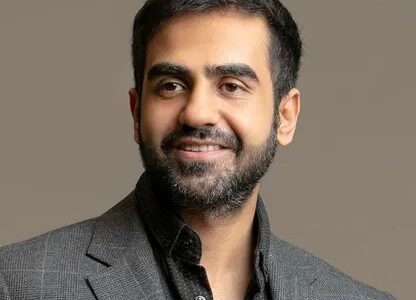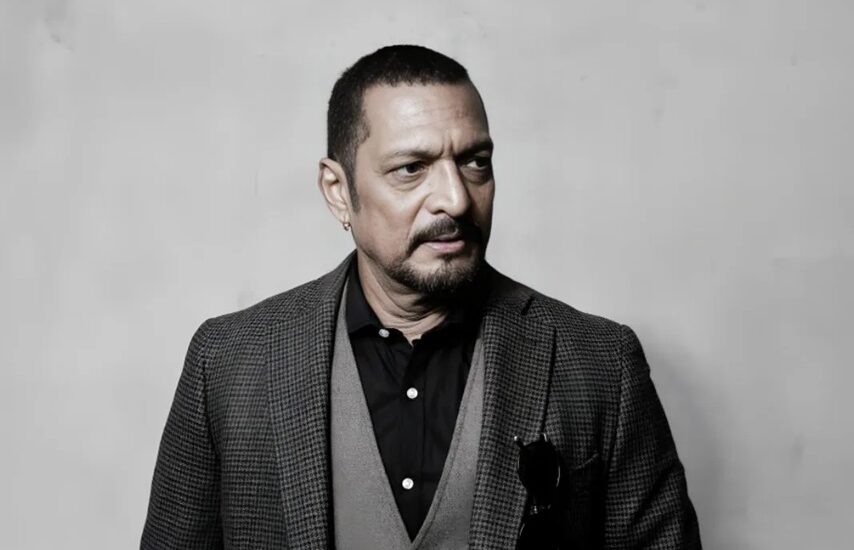
Nana Patekar is one of Indian cinema’s most respected actors, celebrated for his intense performances in Hindi and Marathi films across nearly five decades. Fans researching Nana Patekar net worth will find a wide range of public estimates, since the actor rarely discusses his finances and channels a large share of his income into charitable causes.
Various celebrity-finance trackers place Nana Patekar net worth anywhere between roughly ₹50 crore and ₹125 crore, which converts to approximately $6 million to $15 million USD depending on the source and the exchange rate used. This article brings together everything publicly known about his wealth, family, education, career, and philanthropy in one detailed profile.
Table of Contents
Quick Facts Summary
| Field | Details |
|---|---|
| Full Name | Vishwanath “Nana” Patekar |
| Nickname | Nana |
| Date of Birth | January 1, 1951 |
| Age | 75 years (as of 2026) |
| Birthplace | Murud-Janjira, Raigad District, Maharashtra, India |
| Nationality | Indian |
| Zodiac Sign | Capricorn |
| Religion | Hindu (Marathi family) |
| Marital Status | Married to Neelakanti Patekar (1978); the couple has lived separately for years |
| Children | One surviving son, Malhar Patekar; an elder son, Durvasa, died in childhood |
| Known For | Krantiveer, Parinda, Welcome, Natsamrat, Agni Sakshi |
| Net Worth | Approx. ₹50 crore to ₹125 crore ($6–15 million, estimated) |
Personal Information
| Attribute | Details |
|---|---|
| Full Legal Name | Vishwanath Patekar |
| Title/Honors | Padma Shri (2013); Honorary Lieutenant Colonel, Territorial Army |
| Height | Approximately 5 ft 9 in (175 cm), as commonly reported |
| Weight | Not officially disclosed |
| Eye Color | Dark Brown |
| Hair Color | Grey/White (naturally dark brown in earlier years) |
| Complexion | Wheatish |
| Distinguishing Features | Deep-set eyes, gravelly voice, expressive facial intensity |
| Dress Style | Simple, understated; prefers plain kurtas and casual wear over designer outfits |
| Voice | Deep, raspy, and widely imitated for its dramatic delivery |
Family & Personal Life Background
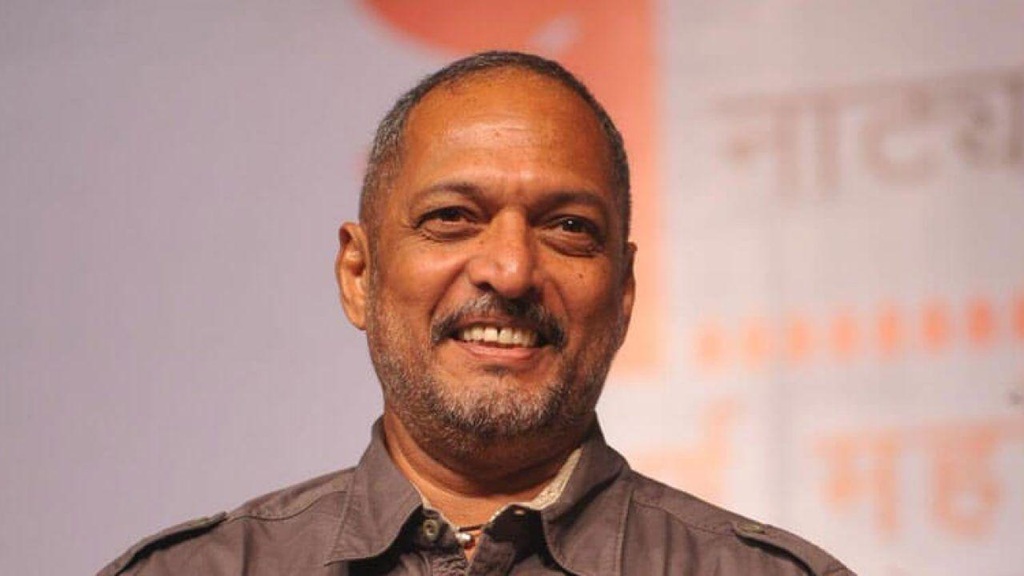
Understanding the man behind the on-screen intensity requires a look at where he came from and the values that shaped him. Nana Patekar’s early years were marked by financial hardship, a factor he has often credited for his enduring simplicity despite decades of stardom and a net worth that places him among Bollywood’s financially secure senior actors.
Family Heritage & Ancestry
| Relation | Name | Details |
|---|---|---|
| Father | Gajanan (Dinkar) Patekar | Textile trader/painter; the family faced financial setbacks after his business struggled |
| Mother | Nirmala (Sanjanabai) Patekar | Homemaker; lived with Nana until her passing in January 2019 at age 99 |
| Brothers | Ashok Patekar, Dilip Patekar | Two of his surviving siblings; the family reportedly had several children, not all of whom survived |
| Wife | Neelakanti Patekar | Former bank officer and Marathi actress; married Nana in 1978 |
| Son | Malhar Patekar | Works as an assistant director/producer in the Indian film industry |
| Elder Son (deceased) | Durvasa Patekar | Passed away at around two and a half years of age due to illness |
Personal Life Philosophy
Nana Patekar has consistently spoken about wealth as a means rather than an end. He continues to live in a modest one-bedroom apartment in Andheri, Mumbai, despite being able to afford far grander accommodation, and he has repeatedly said that his needs have never grown in proportion to his fame or his net worth.
Beyond his acting career, Patekar has cultivated a strong connection to rural Maharashtra. He spends considerable time at his farmhouse near Khadakwasla, Pune, where he personally engages in organic farming and is known to share the produce and proceeds with local farmers and workers. This grounded lifestyle is central to how he is perceived by the public — a star whose reported net worth is modest relative to his fame precisely because of the causes he chooses to fund.
His personal philosophy also reflects the discipline of his early struggles. Having worked as a poster painter and odd-job worker as a young teenager, he has often described those years of hunger and hardship as the emotional foundation of his acting craft, shaping a worldview where humility and service take precedence over material accumulation.
Educational Journey
Patekar’s schooling and training were shaped as much by financial necessity as by ambition, giving him a grounded, self-made trajectory into the arts rather than a conventional showbiz entry.
Schools & Early Education
| Level | Institution | Location | Years (Approx.) | Notes |
|---|---|---|---|---|
| Primary/Secondary | Samarth Vidyalaya | Dadar West, Mumbai | 1950s–1960s | Early schooling amid family financial difficulties |
| Art Foundation | Bandra School of Art (now L.S. Raheja School of Art) | Mumbai | Mid-1960s | Developed early interest in painting and visual art |
| Part-time Work | Poster painting for cinema halls | Mumbai | From around age 13 | Earned a small wage; developed his eye for dramatic visual composition |
University/Higher Education
| Institution | Program | Years (Approx.) | Activities | Outcome |
|---|---|---|---|---|
| Sir J.J. Institute of Applied Art, Mumbai | Diploma/Degree in Commercial and Applied Arts | 1960s–1970s | Active in intercollegiate theatre and dramatics | Graduated with a background in fine/applied arts before transitioning into full-time theatre and film |
His time at Sir J.J. Institute proved formative — not just as an art school, but as the place where his love for the stage deepened through college theatre. This combination of visual-arts training and live performance experience later became visible in his character work, where facial expression and physical stillness often carry as much weight as dialogue.
Career Timeline
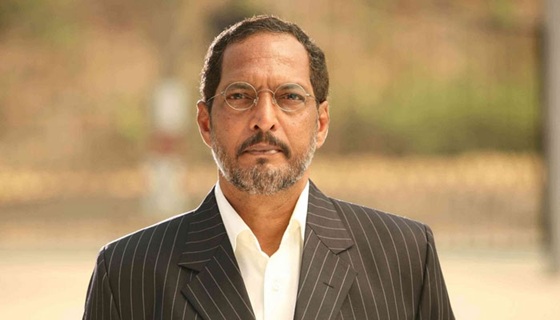
Patekar’s career spans theatre, Marathi cinema, Bollywood, and a brief stint as a Territorial Army officer, reflecting a body of work that has directly shaped his long-term earning potential and, by extension, Nana Patekar net worth over time.
| Year | Age | Milestone | Key Achievement |
|---|---|---|---|
| 1978 | 27 | Film Debut | Appeared in Gaman, his first Hindi film role |
| 1986 | 35 | Marathi Cinema Breakthrough | Notable roles including Ankush, gaining critical attention |
| 1988 | 37 | International Recognition | Featured in Mira Nair’s Oscar-nominated Salaam Bombay! |
| 1989 | 38 | First National Award | Won Best Supporting Actor for Parinda |
| 1991 | 40 | Directorial Debut | Directed and starred in Prahaar: The Final Attack |
| 1994 | 43 | Peak Stardom | Won National Award and Filmfare Best Actor for Krantiveer |
| 1996 | 45 | Second National Award | Won for Agni Sakshi; also acclaimed in Khamoshi: The Musical |
| 2007 | 56 | Commercial Comedy Success | Starred in Welcome, one of his biggest box-office hits |
| 2013 | 62 | National Honor | Received the Padma Shri for contribution to cinema and arts |
| 2016 | 65 | Marathi Cinema Landmark | Natsamrat became a critical and commercial triumph |
| 2023 | 72 | Continued Screen Presence | Lead role in The Vaccine War |
| 2025 | 74 | Ensemble Comedy | Supporting role in Housefull 5 |
Early Theatre and Screen Years (1970s–1980s)
- Built a reputation in Marathi theatre with plays such as Purush before moving to films
- Took on small but memorable roles in Marathi cinema through the mid-1980s
- Gained wider recognition through Salaam Bombay!, exposing him to international audiences
The Golden Era (1989–1999)
- Delivered acclaimed performances in Parinda, Krantiveer, and Agni Sakshi, winning three National Film Awards across this stretch
- Became one of the few actors to be nominated across Best Actor, Best Supporting Actor, and Best Villain categories at the Filmfare Awards
- Directed his own war drama, undergoing genuine military-style training for authenticity
Commercial Resurgence (2000s–2010s)
- Found new commercial success with Taxi No. 9211, Welcome, and Raajneeti
- Delivered a career-redefining performance in the Marathi drama Natsamrat, winning multiple Best Actor honors
- Balanced Hindi and Marathi projects while maintaining his selective approach to roles
Recent Screen Work (2020s)
- Took on lower-budget and independent projects like It’s My Life and Tadka
- Headlined The Vaccine War (2023), earning strong reviews for his individual performance
- Appeared in the ensemble comedy Housefull 5 (2025), drawing praise even where the film itself received mixed reviews
Major Achievements & Awards
Patekar’s award cabinet reflects a career built on range rather than repetition, spanning heroic leads, comic roles, and menacing villains alike.
| Year | Award | Organization/Category | Significance |
|---|---|---|---|
| 1989 | National Film Award – Best Supporting Actor | For Parinda | First National Award of his career |
| 1994 | National Film Award – Best Actor | For Krantiveer | Cemented his status as a leading man |
| 1996 | National Film Award – Best Supporting Actor | For Agni Sakshi | His third National Film Award |
| 1992 | Filmfare Best Villain | For Angaar | Part of a rare Best Actor/Supporting/Villain sweep across his career |
| 2006 | Filmfare Best Villain | For Apaharan | Second Filmfare Villain win |
| 2013 | Padma Shri | Government of India | Honored for contribution to films and arts |
| 2013 | Raj Kapoor Special Contribution Award | Government of Maharashtra | Prize money donated entirely to drought relief |
| 2016/2017 | Filmfare Marathi – Best Actor | For Dr. Prakash Baba Amte and Natsamrat | Back-to-back Marathi cinema honors |
Nana Patekar Net Worth Without Charity
A recurring question among fans is what Nana Patekar net worth without charity might look like, given how visibly he redirects his earnings toward social causes. Public reports suggest he has donated his entire acting fee from at least one major film to charitable organizations, given away award cash prizes to drought relief, and funded direct cash assistance to families of farmers affected by debt and crop failure.
Because these figures are not independently audited, no precise number can be confirmed, but several financial commentators estimate that Nana Patekar net worth without charity, factoring in the value of donated fees and prize money over the decades, could plausibly be considerably higher than his publicly reported ₹50–125 crore range — potentially closer to double, had those funds simply been retained rather than redirected to farmer welfare and disaster relief.
Investment Philosophy & Financial Principles
- Prioritizes tangible, low-maintenance assets such as agricultural land over luxury real estate or vehicles
- Avoids public discussion of brand valuations, endorsements, or portfolio details
- Reinvests a significant share of income into philanthropic infrastructure rather than personal lifestyle upgrades
- Maintains one primary residence rather than multiple high-value city properties
- Treats acting fees partly as a redistributive tool, not solely as personal income
Social Leadership & Institutional Roles
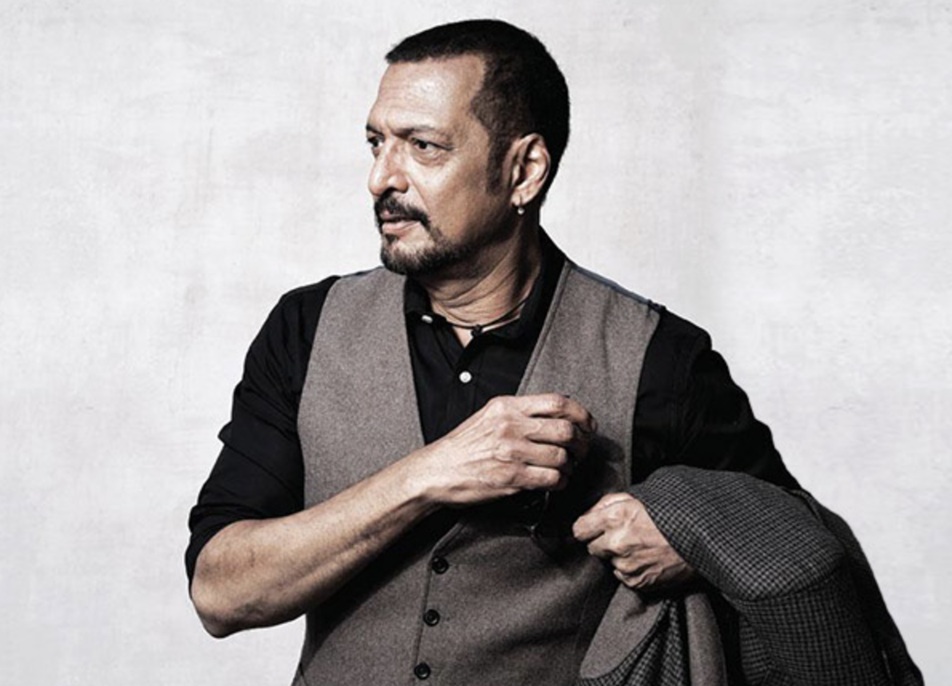
While Patekar has not held corporate or political administrative posts, his public life includes meaningful institutional commitments that go beyond acting.
Chronological Roles and Positions
| Period | Role | Organization | Focus |
|---|---|---|---|
| 1988 onward | Territorial Army Officer (Captain, later Major, retiring as Honorary Lieutenant Colonel in 2013) | Maratha Light Infantry, Territorial Army | Trained for authenticity ahead of Prahaar and later served during the 1999 Kargil War |
| 2015–present | Co-Founder | Naam Foundation | Drought and farmer-welfare relief across rural Maharashtra |
| Ongoing | Independent Donor | Various charitable organizations, including flood relief in Bihar | Disaster relief and social welfare |
Career Philosophy
Patekar’s guiding outlook can be summarized in one recurring theme: that talent means little without discipline, and that success carries an obligation to give back. Five pillars define his professional and personal approach:
- Authenticity over glamour — choosing roles and a lifestyle that reflect real life rather than a manufactured star image
- Discipline from hardship — using the memory of early struggle as motivation rather than resentment
- Selective craftsmanship — favoring fewer, more meaningful projects over volume
- Social responsibility — treating wealth as a tool for community welfare, especially for farmers
- Consistency in simplicity — maintaining the same modest lifestyle regardless of box-office success
Mentorship Style
| Aspect | Approach |
|---|---|
| With co-stars | Known for intense, in-character preparation that pushes fellow actors to match his energy on set |
| With younger actors | Emphasizes discipline, memorization, and command over dialogue delivery |
| With crew | Reputation for candid, occasionally blunt feedback on set |
| Public persona | Rarely offers formal masterclasses; influence is largely through observed performance rather than direct teaching |
Recent Developments (2024–2026)
Even in his mid-seventies, Patekar has remained active on screen while continuing his philanthropic commitments.
Current Role Summary
| Position | Organization | Status | Focus Area |
|---|---|---|---|
| Actor | Hindi and Marathi film industry | Active | Selective supporting and lead roles |
| Co-Founder | Naam Foundation | Active | Farmer welfare and drought relief |
| Cultural Figure | Marathi and Hindi cinema | Active | Continues to influence younger actors through his body of work |
His 2025 appearance in the ensemble film Housefull 5 and continued presence in newer releases show that, despite his age, he remains a bankable and respected name — a factor that continues to support his long-term net worth even as his acting output slows compared to his 1990s peak.
Detailed Biography
Early Life
Nana Patekar was born Vishwanath Patekar on January 1, 1951, in the coastal town of Murud-Janjira in Maharashtra’s Raigad district, into a Marathi family of modest means. His father’s textile business struggled financially, a setback that pushed the family toward hardship and eventually led young Nana to take up paid work — painting cinema posters and zebra crossings — as a young teenager.
Education
Despite these financial pressures, he completed his schooling in Mumbai and went on to study at the Sir J.J. Institute of Applied Art, one of India’s most respected art institutions. It was here that his passion for theatre deepened alongside his formal training in commercial and applied arts, setting the stage for his eventual move into full-time performance.
Career Milestones
His breakthrough came gradually — first through Marathi theatre, then supporting film roles, and finally through his National Award-winning turn in Parinda (1989). The 1990s cemented his reputation with Krantiveer, Agni Sakshi, and Khamoshi: The Musical, while the 2000s and 2010s brought a new wave of commercial hits including Welcome and Raajneeti.
Landmark Projects
Beyond his National Award-winning films, Natsamrat (2016) stands out as a career-defining Marathi project, earning him some of the strongest reviews of his later career. His directorial work on Prahaar also remains notable for the genuine military training he underwent to portray an army officer convincingly.
Recent Developments
In the 2020s, Patekar balanced smaller independent films with higher-profile projects such as The Vaccine War (2023) and Housefull 5 (2025), continuing to draw praise for his screen presence even in films that received mixed critical reception overall.
Lessons & Inspiration
Patekar’s life story is frequently cited as an example of resilience: a child who painted movie posters for a few rupees a month growing into one of Indian cinema’s most awarded actors, all while retaining the humility of his earliest years. His continued preference for a modest apartment over lavish real estate, despite decades of stardom, has made him something of a case study in restrained wealth management within the entertainment industry.
Conclusion
Nana Patekar’s story is less about accumulating wealth and more about what he has chosen to do with it. While public estimates of Nana Patekar net worth in rupees vary widely — from roughly ₹50 crore to as much as ₹125 crore — the more consistent and better-documented theme across his life is his commitment to philanthropy, simplicity, and craft. His legacy, built across three National Film Awards, a Padma Shri, and decades of memorable performances, reflects a form of wealth that goes beyond bank balances: the respect of peers, the gratitude of farming communities he has supported, and a body of work that continues to influence Indian cinema.
Frequently Asked Questions
1. What is Nana Patekar’s net worth in rupees as of 2026? Public estimates place Nana Patekar net worth in rupees between approximately ₹50 crore and ₹125 crore, though exact figures are not officially confirmed.
2. What is Nana Patekar net worth without charity? There is no verified figure, but given his history of donating acting fees and award money to farmer welfare and disaster relief, some estimates suggest his net worth could be notably higher had those funds not been given away.
3. Is Nana Patekar married? Yes, he married Neelakanti Patekar in 1978. The couple has lived separately for years but remains legally married.
4. Does Nana Patekar have children? He has one surviving son, Malhar Patekar, who works in the Indian film industry. An elder son, Durvasa, died in early childhood.
5. What is Nana Patekar’s current role or focus? He continues to act selectively in Hindi and Marathi cinema while co-running the Naam Foundation, which supports drought-affected farmers in Maharashtra.
6. What are Nana Patekar’s major achievements? Three National Film Awards, four Filmfare Awards across Best Actor, Best Supporting Actor, and Best Villain categories, and the Padma Shri in 2013.
7. How long has Nana Patekar been involved with the Naam Foundation? He co-founded the Naam Foundation in September 2015 alongside actor Makarand Anaspure, and it remains active today.
8. What is Nana Patekar’s educational background? He studied at Samarth Vidyalaya and the Bandra School of Art in Mumbai before completing higher studies in commercial and applied arts at the Sir J.J. Institute of Applied Art.
9. What are Nana Patekar’s hobbies and interests? He is known for sketching and painting, organic farming at his Khadakwasla property, and a long-standing connection to Marathi theatre.
10. What is Nana Patekar’s philosophy on wealth? He has repeatedly emphasized that his needs have never grown with his fame, choosing to live in a modest Mumbai apartment and directing significant income toward charitable causes rather than personal luxury.
11. Has Nana Patekar donated to charity? Yes. Public reports describe him donating an entire film fee to charitable organizations, giving away award prize money for drought relief, and providing direct financial aid to families of farmers affected by debt-related distress.
12. What is Nana Patekar’s religion and background? He was born into a Marathi Hindu family in Murud-Janjira, Maharashtra.
Disclaimer: The net worth figures, income estimates, and financial details mentioned in this article are drawn from publicly available celebrity-finance websites, entertainment news reports, and biographical sources. They are unverified estimates and not official or audited figures. Actual net worth may differ. This article is for informational purposes only and should not be treated as financial or legal advice.
Also read Rakhi Sawant Net Worth 2026: Income, Family, Career & Full Biography