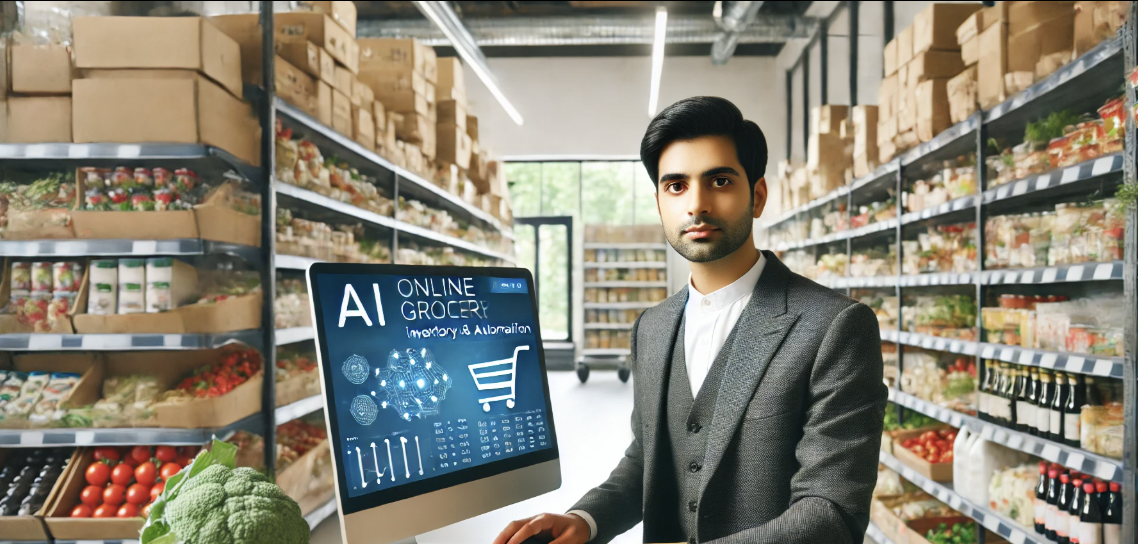
The way grocery businesses handle last-mile delivery has changed significantly over the past few years. Customers now expect real-time updates, accurate delivery windows, and seamless communication from the moment they place an order to the moment it arrives at their doorstep. For grocery store owners, meeting these expectations requires more than just hiring delivery staff. It demands a well-structured digital system that connects every stage of the delivery process.
This article explores the key components of a modern grocery delivery app, how it fits into broader retail operations, and what store owners should consider when evaluating delivery management tools.
Why Last-Mile Delivery Is the Most Critical Stage in Grocery Operations
Last-mile delivery refers to the final stage of the supply chain where an order travels from the store or fulfillment centre to the customer’s location. In grocery retail, this stage is particularly demanding because orders often include perishable items, require specific time slots, and involve multiple delivery zones simultaneously.
Unlike standard parcel delivery, grocery delivery operates within tight windows. A customer who orders fresh vegetables at 8 AM expects delivery within a few hours. Any delay, wrong item, or missed slot creates a negative experience that is difficult to recover from.
For grocery businesses managing multiple store locations, coordinating delivery agents across different zones while keeping customers informed at every step becomes a logistical challenge. Many store owners are now turning to a Readymade Grocery Delivery App to address this challenge, as it centralizes all delivery-related operations in one accessible interface without the need for lengthy development cycles.
Core Features That Define an Effective Grocery Delivery App
A grocery delivery app serves two primary users simultaneously — the delivery agent in the field and the store administrator managing operations from the backend. For both users, the app needs to provide accurate, real-time information without delays or technical failures.
For delivery agents, the most critical features include order acceptance and rejection controls, turn-by-turn navigation powered by Google Maps, real-time order status updates, direct communication with customers, and OTP-based delivery confirmation. These features reduce errors, eliminate confusion, and ensure that every handover is verified and documented. Businesses looking to build or customize such apps in-house often encourage their teams to learn coding fundamentals, particularly in mobile and backend development, to better collaborate with technical vendors.
OTP verification at both pickup and drop-off points is particularly important for grocery businesses. It creates a clear record of when an order left the store and when it was received by the customer, reducing disputes and improving accountability across the delivery team.
For store administrators, the backend dashboard provides visibility into all active deliveries, agent locations, and order statuses. This allows managers to identify bottlenecks, reassign deliveries when needed, and monitor overall delivery performance throughout the day.
Route Optimization and Its Impact on Delivery Efficiency
One of the most valuable capabilities in a grocery delivery app is route optimization. Rather than assigning deliveries based on simple proximity, an optimized routing system considers multiple variables including traffic conditions, delivery time slots, agent location, and order priority. Rather than assigning deliveries based on simple proximity, a route optimization tool considers multiple variables including traffic conditions, delivery time slots, agent location, and order priority
When a delivery agent handles multiple orders in a single trip, an optimized route ensures they follow the most efficient path to complete all deliveries on time. This reduces fuel consumption, shortens delivery windows, and increases the number of orders each agent can complete in a single shift.
For grocery businesses operating in dense urban areas, route optimization can make a measurable difference in delivery costs and customer satisfaction scores. Customers receive their orders within the promised time slot, and store owners see improved productivity from their delivery teams without needing to expand headcount.
The Role of Pre Built Grocery Store Software in Delivery Management
Many grocery businesses spend considerable time and resources attempting to build delivery management tools independently. In practice, developing a reliable delivery app from scratch involves multiple development cycles, extensive testing across different devices, and ongoing maintenance after launch.
Opting for pre-built grocery store software that already includes a delivery management module allows businesses to skip the development phase entirely. The delivery app comes with all necessary features pre-configured, including agent onboarding, route navigation, push notifications, and feedback collection. Store owners can configure delivery zones, assign agents, and begin processing orders within a short setup period.
This approach is particularly practical for grocery businesses that are expanding into online delivery for the first time. Rather than committing to a lengthy development project, they can evaluate how the delivery operation performs using a ready system and make adjustments based on real operational data.
Real-Time Tracking and Customer Communication
Customer expectations around delivery transparency have risen sharply. Most shoppers want to know exactly where their order is at any given moment, and they expect proactive communication if anything changes.
A grocery delivery app addresses this through push notifications and live tracking features. Customers receive automatic updates when their order is picked up, when the delivery agent is on the way, and when the order has been delivered. This reduces the volume of customer support inquiries and builds confidence in the delivery service over time.
Delivery agents also benefit from direct call features within the app. If a customer’s address is unclear or they need to be notified of a delay, the agent can contact them directly without leaving the app interface. This keeps communication streamlined and ensures that delivery issues are resolved quickly in the field.
Post-Delivery Feedback and Performance Monitoring
Understanding how delivery operations are performing requires more than reviewing order completion rates. Post-delivery feedback systems allow customers to rate their experience and provide specific comments about service quality. This data gives store managers actionable insights into which agents are performing well and where improvements are needed.
Over time, consistent feedback collection helps grocery businesses maintain service standards across a growing delivery team. Agents who receive lower ratings can be given additional training or support, while high performers can be recognized and retained.
What to Consider When Selecting a Grocery Delivery App
Grocery store owners evaluating delivery app options should look beyond the feature list and consider how the app integrates with their existing operations. Key questions include whether the app supports multiple delivery zones, how agent onboarding is handled, what happens when the system experiences high order volumes, and whether the app can scale as the business grows.
A Readymade Grocery Delivery App that includes built-in integrations for Google Maps, SMS notification services like Twilio, and OTP verification systems offers a more complete solution than one that requires separate tools for each function. Integration depth matters significantly when delivery operations need to run smoothly across dozens or hundreds of orders per day.
Post-launch support is another important consideration. Delivery apps require regular updates to maintain compatibility with operating system changes and mapping service updates. A platform provider that offers ongoing technical support ensures the app continues to perform reliably without placing maintenance burdens on the grocery business’s internal team.
Conclusion
Grocery delivery operations have become a defining factor in how customers evaluate a store’s overall service quality. A well-built delivery app connects agents, administrators, and customers in real time, reducing errors and improving fulfilment speed at every stage.
For grocery businesses looking to strengthen their delivery capabilities, understanding the core components of an effective delivery management system provides a solid foundation for making informed decisions about the tools and platforms that will best support their operational goals.