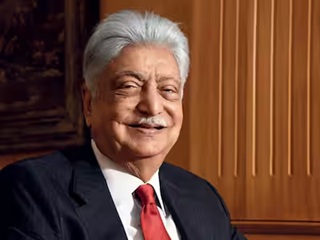
Azim Premji, the founder chairman of Wipro Limited, remains one of India’s most recognized business figures and one of the world’s most generous philanthropists. As of 2026, Forbes’ real-time tracker places Azim Premji net worth at approximately $8.1 billion (roughly ₹67,900 crore), though other financial trackers estimate his fortune considerably higher, ranging up to $16–23 billion,
depending on how much of his Wipro shareholding and philanthropic trust holdings are counted. This wide range exists because Premji has already transferred a massive portion of his original wealth into irrevocable charitable trusts, which most rankings — including Forbes — exclude from his personal net worth calculation. Understanding Azim Premji net worth, therefore, requires looking not just at a single number, but at the full arc of a career that transformed a small edible-oil company into a global technology powerhouse.
This article offers a complete, structured look at Azim Premji’s life: his family background, education, career milestones at Wipro, awards, philanthropic record, and the philosophy that has shaped his decisions for over six decades.
Table of Contents
Quick Facts Summary
Before diving into the details, here is a quick reference table summarizing the essential facts about Azim Premji.
| Field | Details |
|---|---|
| Full Name | Azim Hashim Premji |
| Nickname | The “Czar of Indian IT,” India’s “Bill Gates” |
| Date of Birth | July 24, 1945 |
| Age | 80 years (as of 2026) |
| Birthplace | Bombay (now Mumbai), Maharashtra, India |
| Nationality | Indian |
| Zodiac Sign | Leo |
| Religion | Islam (Shia Ismaili Khoja community) |
| Marital Status | Married |
| Children | Two sons — Rishad Premji and Tariq Premji |
| Known For | Transforming Wipro into a global IT company; large-scale philanthropy |
| Net Worth (2026) | Approx. $8.1 billion (Forbes real-time); other estimates range higher |
Personal Information
This section lays out Premji’s official titles and publicly documented personal details. It’s worth noting upfront that specific physical descriptors such as exact height, weight, or eye color are not part of his public record — unlike film or sports celebrities, business leaders of Premji’s generation rarely have such details documented, and this article avoids guessing at them.
| Attribute | Detail |
|---|---|
| Full Legal Name | Azim Hashim Premji |
| Title | Founder Chairman, Wipro Limited |
| Residence | Bangalore (Bengaluru), Karnataka, India |
| Public Image | Known for a famously modest, understated personal style; drives himself, flies economy on domestic trips, and is widely described in Indian business media as frugal despite his wealth |
| Physical Details | Not publicly documented in verified sources |
| Voice/Public Demeanor | Soft-spoken, direct, known for concise, no-nonsense communication in interviews and shareholder meetings |
Family & Personal Life Background
Family Heritage & Ancestry
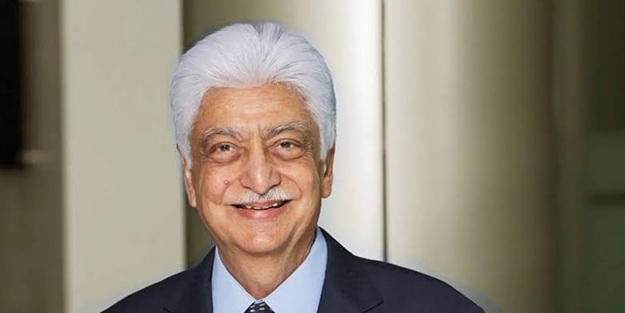
Azim Premji was born into a Gujarati Khoja Ismaili Muslim family that had already built a prosperous trading and edible-oils business before he was born. His father, Muhammad Hashim Premji, founded Western India Vegetable Products Limited in 1945 — the company that would later become Wipro. The family’s roots trace back to the Kutch region of Gujarat, and the Premjis were established, respected merchants well before Azim took the company’s reins.
| Family Member | Relationship | Notable Details |
|---|---|---|
| Muhammad Hashim Premji | Father | Founded Western India Vegetable Products Ltd. (Wipro’s predecessor) in 1945 |
| Azim Hashim Premji | Self | Took over the company at age 21 after his father’s sudden death in 1966 |
| Yasmeen Premji | Wife | Author and long-time partner in his personal life; rarely appears in business media |
| Rishad Premji | Elder Son | Executive Chairman of Wipro since 2019; joined the company in 2007 |
| Tariq Premji | Younger Son | Maintains a lower public profile compared to his brother |
Personal Life Philosophy
Despite being one of India’s wealthiest individuals for decades, Azim Premji has cultivated a public reputation built on restraint rather than display. He has spoken often about living well below his means, and Indian business journalists have repeatedly noted his preference for modest cars, economy air travel on domestic routes, and a general discomfort with ostentation. This is not simply personal quirk — it reflects a broader philosophy that wealth is a resource to be deployed responsibly rather than a marker of status.
Premji has also spoken about the influence of his Ismaili Muslim upbringing and Gujarati merchant heritage on his values — an emphasis on discipline, humility, and long-term thinking rather than short-term gratification. His decision to commit the bulk of his fortune to charitable causes, rather than to pass all of it down to his sons, reflects a deliberate personal philosophy that a family’s advantage should not extend indefinitely at the expense of broader society.
This grounded approach extends into how he has structured his family’s public presence. Unlike many billionaire families that dominate tabloid coverage, the Premjis have remained relatively private, letting business results and philanthropic outcomes speak for themselves rather than personal branding.
Educational Journey
Schools & Early Education
Premji’s early education took place in Mumbai, where he grew up in a business-oriented household that placed high value on academic achievement alongside practical commercial training.
| Level | Institution | Location | Years | Achievements |
|---|---|---|---|---|
| Schooling | Local Mumbai schools | Bombay, India | 1950s–early 1960s | Completed foundational education before pursuing engineering abroad |
University Education Deep-Dive
Premji’s university path is one of the more unusual chapters of his biography. He enrolled at Stanford University in the United States to study electrical engineering, but his academic journey was interrupted by a family emergency that would reshape the rest of his life.
| University | Degree Pursued | Years | Activities & Circumstances |
|---|---|---|---|
| Stanford University | Electrical Engineering (Bachelor’s) | Started mid-1960s | Studies interrupted in 1966 after his father’s sudden death; he returned to India at age 21 to run the family business |
| Stanford University | Completion of Degree | Completed decades later (by 1999) | Returned to finish his engineering degree years after building Wipro into a major company, demonstrating a personal commitment to completing what he started |
Career Timeline
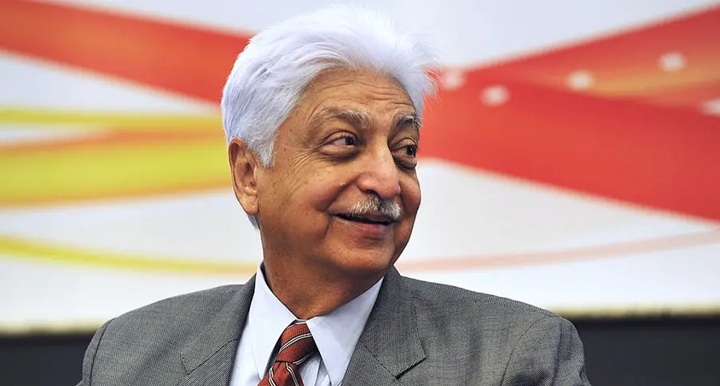
Azim Premji’s career is essentially inseparable from the story of Wipro itself. What began as a modest cooking-oil manufacturer became, under his six-decade leadership, one of India’s largest information technology services companies.
Year-Wise Career Progress
| Year | Age | Position/Milestone | Key Achievement |
|---|---|---|---|
| 1966 | 21 | Chairman, Western India Vegetable Products Ltd. | Took charge after father’s death, halting his Stanford studies |
| 1970s–1980s | 25–40 | Chairman, expanding into new sectors | Diversified into hydraulic cylinders, soaps, and lighting products; renamed the company Wipro in 1977 |
| 1980s | 35–45 | Strategic pivot to technology | Steered Wipro into the emerging IT and computer hardware business as India’s software export industry began to take shape |
| 1989 | 44 | Joint venture era | Formed a joint venture with General Electric, boosting Wipro’s manufacturing and technology credibility |
| 1990s–2000s | 45–65 | Global IT services expansion | Grew Wipro into a major global IT services and outsourcing provider with a substantial international client base |
| 2013 | 68 | Giving Pledge signatory | Committed the bulk of his personal fortune to philanthropy, joining Bill Gates and Warren Buffett’s global pledge |
| 2019 | 74 | Transition of executive leadership | Stepped back as Chairman; son Rishad Premji became Executive Chairman while Azim became Founder Chairman |
| 2020 | 75 | Pandemic-era philanthropy | Committed significant funds through the Azim Premji Foundation toward COVID-19 relief efforts |
| 2025–2026 | 79–80 | Continued philanthropic leadership | Foundation continued large-scale commitments, including funding for underprivileged girls’ college education |
Early Career Phase (1966–1980s)
- Took over Western India Vegetable Products Ltd. at just 21 years old amid a period of shareholder skepticism about his readiness to lead
- Diversified the company beyond edible oils into industrial and consumer products
- Renamed the company Wipro in 1977, laying the groundwork for its future identity
- Built a reputation for disciplined, conservative financial management during the company’s diversification years
Technology Transformation Phase (1980s–2000s)
- Recognized early the potential of India’s emerging software and IT services sector
- Pivoted Wipro’s core business focus toward computing, software services, and outsourcing
- Formed strategic partnerships, including a notable joint venture with General Electric
- Helped position Wipro as one of the flagship companies of India’s software export boom, alongside peers in the broader Indian IT industry
Global Expansion & Leadership Transition (2000s–2019)
- Oversaw Wipro’s evolution into a company serving large multinational clients across IT services, consulting, and outsourcing
- Built an innovation center in Silicon Valley focused on emerging technologies and startup collaboration
- Prepared the company for generational transition, ultimately handing the executive chairmanship to his son Rishad Premji in 2019 while remaining founder chairman
Major Achievements & Awards
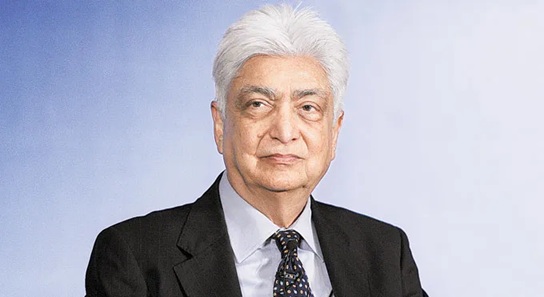
Premji’s recognition extends well beyond corporate success; his philanthropic commitments have earned him a distinct place among the world’s most respected business philanthropists.
Year-Wise Awards
| Year | Award | Organization | Significance |
|---|---|---|---|
| 2005 | Padma Bhushan | Government of India | India’s third-highest civilian award, recognizing his contribution to trade and industry |
| 2011 | Padma Vibhushan | Government of India | India’s second-highest civilian award, one of the country’s highest honors |
| 2013 | Giving Pledge Signatory | The Giving Pledge (Gates/Buffett initiative) | Committed to giving away the majority of his wealth to charitable causes |
| 2017 | Carnegie Medal of Philanthropy | Carnegie Corporation | International recognition of his philanthropic contributions |
| Multiple years | Recognition on global “most generous billionaires” lists | Forbes and other trackers | Repeatedly cited among the world’s most generous non-U.S. billionaires |
Azim Premji Net Worth Without Charity
One of the more interesting aspects of tracking Azim Premji net worth is the “without charity” distinction. Over the years, Premji has irrevocably transferred tens of billions of dollars’ worth of Wipro shares into charitable trusts that fund the Azim Premji Foundation — cumulatively estimated at around $21 billion donated. Because these shares are held in irrevocable trusts for philanthropic purposes, most trackers, including Bloomberg and Forbes, do not count them as part of his personal net worth.
This means that Azim Premji net worth in rupees, as reported by real-time billionaire trackers, already reflects a “post-charity” figure rather than his theoretical total wealth if he had never donated. Had he retained full ownership of the shares now held by his foundation, his net worth would likely place him among the very richest individuals in Asia rather than in the range currently reported by services like Forbes.
In effect, the comparatively modest $8 billion figure from Forbes already represents Azim Premji net worth without the tens of billions he chose to give away — a detail that underscores just how much of his original fortune has been redirected toward philanthropy rather than personal wealth accumulation.
Investment Philosophy & Financial Principles
- Prioritize long-term value creation over short-term stock performance
- Maintain a conservative approach to debt and financial risk
- Reinvest profits into diversification rather than excessive dividend payouts
- Treat wealth as a tool for social impact, not merely personal accumulation
- Build institutions (like PremjiInvest) that can operate independently of any single individual
- Favor governance structures and professional management over family-only control
- Avoid high-visibility luxury spending, keeping personal lifestyle modest relative to net worth
Administrative Positions & Organizational Leadership
Chronological Positions
| Period | Position | Organization |
|---|---|---|
| 1966–2019 | Chairman | Wipro Limited |
| 2019–Present | Founder Chairman | Wipro Limited |
| Ongoing | Chairman/Founder | Azim Premji Foundation |
| Ongoing | Founder | PremjiInvest (private investment arm) |
Career Philosophy
Premji’s leadership philosophy can be summarized in a single guiding idea: sustainable value creation matters more than short-term wins. Over decades of leading Wipro, he consistently emphasized long-term thinking, ethical governance, and reinvestment in people and capability over flashy expansion.
Five pillars define this philosophy:
- Integrity first — governance and ethics take precedence over short-term profit
- Long-term orientation — decisions are evaluated on decade-long impact, not quarterly results
- Meritocracy — building professional management structures rather than relying solely on family control
- Frugality — treating company and personal resources with discipline and restraint
- Social responsibility — viewing wealth as an instrument for broader social good, not just personal gain
Mentorship Style
| Trait | Description |
|---|---|
| Direct Communication | Known for blunt, no-frills feedback rather than excessive praise |
| High Expectations | Set demanding performance standards for senior leadership |
| Succession Planning | Invested years in preparing his son Rishad and other leaders for eventual transition |
| Institution-Building | Focused mentorship on building durable systems rather than personality-driven leadership |
Recent Developments
In the past one to two years, Azim Premji has continued to focus primarily on philanthropy rather than active corporate management, having stepped back from the executive chairmanship of Wipro in 2019.
Current Role
| Position | Organization | Status | Focus Area |
|---|---|---|---|
| Founder Chairman | Wipro Limited | Active (non-executive) | Long-term strategic oversight and institutional legacy |
| Chairman | Azim Premji Foundation | Active | Education, healthcare, and large-scale philanthropic initiatives across India |
| Founder | PremjiInvest | Active (private investment arm) | Long-term private investments across sectors |
Recent public reporting has highlighted continued large-scale philanthropic commitments, including multi-year funding pledges through the Azim Premji Foundation aimed at supporting underprivileged students, particularly girls, in completing their college education.
Detailed Biography
Early Life
Azim Hashim Premji was born on July 24, 1945, in Bombay (now Mumbai), into a prosperous Gujarati Khoja Ismaili Muslim family. His father had founded Western India Vegetable Products Limited that same year, a company that traded in cooking oils and other consumer staples. Growing up in a business household gave Premji early exposure to commerce, but his path seemed set toward a conventional engineering career rather than corporate leadership.
Education
Premji left India to study electrical engineering at Stanford University in the United States. However, in 1966, his father passed away suddenly, and the 21-year-old Premji was called back to India to take charge of the family business — leaving his engineering degree incomplete. Decades later, after building Wipro into a major global company, he returned to Stanford to formally complete his degree, finishing it by 1999 — a detail often cited as evidence of his personal discipline and follow-through.
Career Milestones
Taking charge of a modest edible-oils company at 21, amid skepticism from shareholders about his readiness, Premji spent the following decades diversifying the business into hydraulic cylinders, soaps, lighting products, and eventually information technology. The company was renamed Wipro in 1977. Recognizing the potential of India’s emerging software export industry in the 1980s, Premji pivoted Wipro decisively toward IT services, computing hardware, and outsourcing — a bet that would eventually transform the company into a multi-billion-dollar global technology and services provider with operations spanning the globe.
Landmark Projects
Among the notable milestones in Wipro’s growth under Premji’s leadership was its 1989 joint venture with General Electric, which strengthened the company’s manufacturing and technology credibility. Wipro also established an innovation center in Silicon Valley to collaborate with startups and develop emerging technologies, reflecting Premji’s consistent effort to keep the company at the frontier of global technology trends rather than resting on past success.
Recent Developments
In 2019, Premji formally stepped back from the executive chairmanship of Wipro, handing the role to his son Rishad Premji while retaining the title of Founder Chairman. Since then, his public focus has shifted almost entirely toward philanthropy, particularly through the Azim Premji Foundation, which has become one of the largest philanthropic organizations in India, with programs spanning education and healthcare across hundreds of districts.
Lessons & Inspiration
Premji’s story offers a compelling lesson in leadership under unexpected pressure: thrust into a demanding corporate role at 21 due to family circumstance, he built one of India’s most respected companies over six decades through patience, discipline, and a willingness to make bold strategic pivots when the moment demanded it. His subsequent decision to give away the majority of his wealth — rather than simply accumulate it — has reshaped conversations in India about the responsibilities that come with extraordinary financial success.
Conclusion
Azim Premji’s story is as much about restraint as it is about wealth creation. While Azim Premji net worth in rupees places him consistently among India’s wealthiest individuals, the more striking figure may be the roughly $21 billion he has already given away — a decision that has fundamentally shaped how his fortune is measured and reported today.
His legacy is not simply the transformation of a small edible-oil business into a global technology company, but a demonstration that extraordinary financial success can be paired with an equally extraordinary commitment to social responsibility. In many ways, his real wealth lies less in the balance sheet and more in the institutions — Wipro, the Azim Premji Foundation, and the broader culture of Indian philanthropy — that he leaves behind.
Frequently Asked Questions
1. What is Azim Premji’s current net worth in rupees? As of 2026, Forbes’ real-time tracker estimates Azim Premji’s net worth at roughly $8.1 billion, which translates to approximately ₹67,000–68,000 crore depending on exchange rates. Other trackers report higher figures due to differing methodologies.
2. What is Azim Premji net worth without charity? Because Premji has already transferred an estimated $21 billion in Wipro shares to irrevocable charitable trusts, most reported net worth figures already exclude that donated wealth. If those shares were counted as personal wealth, his total fortune would be substantially higher than the commonly cited figures.
3. Is Azim Premji married? Yes, Azim Premji is married to Yasmeen Premji, who maintains a relatively private public profile.
4. What is Azim Premji’s current position? He currently serves as Founder Chairman of Wipro Limited, having handed the executive chairmanship to his son Rishad Premji in 2019, and continues to chair the Azim Premji Foundation.
5. What are Azim Premji’s major achievements? He transformed Wipro from a small edible-oil company into a global IT services giant, received India’s Padma Bhushan and Padma Vibhushan civilian honors, and became one of the first non-U.S. billionaires to sign the Giving Pledge.
6. How long did Azim Premji lead Wipro as Chairman? He led Wipro as Chairman for roughly 53 years, from 1966 until 2019, when he transitioned to the role of Founder Chairman.
7. What is Azim Premji’s educational background? He began studying electrical engineering at Stanford University in the 1960s but left before completing his degree after his father’s death. He later returned to Stanford and completed his degree by 1999.
8. What are Azim Premji’s hobbies and interests? Public information about specific personal hobbies is limited, as he maintains a private personal life; his public interests are largely centered on business strategy, education reform, and philanthropy.
9. What is Azim Premji’s philosophy on wealth? He has consistently emphasized that wealth carries a responsibility to benefit society, favoring modest personal living and large-scale philanthropic giving over ostentatious display of riches.
10. How much has Azim Premji donated to charity? Cumulative estimates place his donations to the Azim Premji Foundation at approximately $21 billion, making him one of the most generous philanthropists in the world relative to his personal fortune.
11. What religion does Azim Premji follow? He belongs to the Shia Ismaili Khoja Muslim community.
12. When is Azim Premji’s birthday? He was born on July 24, 1945, making his zodiac sign Leo.
Disclaimer: Net worth figures for high-profile individuals like Azim Premji vary across financial trackers (Forbes, Bloomberg, and others) due to differing valuation methodologies, stock price fluctuations, and how charitable trust holdings are treated. The figures in this article reflect publicly reported estimates as of 2026 and should be treated as approximate rather than exact or officially verified figures. This article is intended for general informational purposes only and does not constitute financial, legal, or investment advice.
Also read Ishan Kishan Net Worth 2026: Income, Family & Career